

Therapy for Depression
Therapy for Depression
Depression can make everyday life feel heavy. Even small tasks take effort, and it may feel like the joy, motivation, or clarity you once had has slowly faded. Therapy for Depression offers a compassionate, steady space to understand what’s happening inside you and begin finding your way back to yourself.
In our work together, we explore the deeper layers beneath your low mood—whether the depression is connected to past experiences, ongoing stress, grief, trauma, or simply feeling overwhelmed by life. The goal isn’t to force you to “think positive,” but to gently uncover what your emotions are trying to tell you and help you move toward relief at a pace that feels safe.
Therapy may include approaches like Cognitive Behavioural Therapy (CBT), EMDR, mindfulness, or somatic techniques. These tools can help you shift unhelpful thought patterns, regulate your nervous system, increase self-compassion, and slowly reconnect with parts of life that feel meaningful. Over time, many people notice less emotional heaviness, fewer moments of numbness, and a growing sense of stability and hope.
Depression often creates a sense of emptiness or disconnection from yourself. Through therapeutic support, you’ll learn to understand your inner world again—opening space for moments of calm, purpose, and even joy to return. Healing doesn’t happen overnight, but each step brings you closer to feeling grounded and whole.
Therapy for Depression reminds you that you don’t have to carry this alone. With patience, care, and the right support, it’s possible to rediscover your strength and move forward with more lightness and possibility.

Brainspotting
Brainspotting
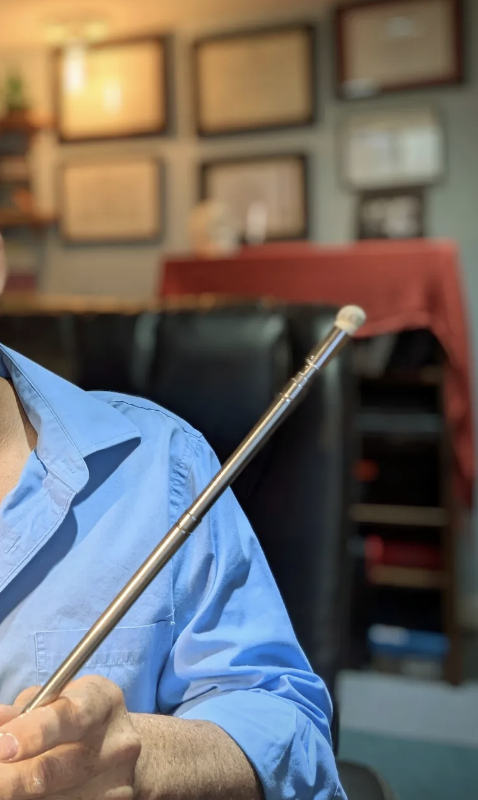
Brainspotting is a gentle, brain-body therapy that helps you reach the deeper emotional layers stored in your nervous system. Many people notice they react to things without knowing why—old memories, stress, or past experiences that sit beneath the surface. Brainspotting helps you access and release those stuck patterns in a calm and focused way.
This approach works by finding specific eye positions—called “brainspots”—that connect to unresolved emotions or tension. When these points are activated, your brain begins to naturally process what it has been holding onto. It allows healing to happen without needing to talk through every detail of your past. For many people working through trauma, overwhelm, or even PTSD therapy Washington, this can feel relieving and grounded.
Brainspotting is also helpful for clients who have experienced childhood wounds or long-term stress. It pairs well with trauma-focused work such as EMDR for childhood trauma or sessions with a trained trauma therapist Washington who understands how the mind and body store difficult experiences.
Most people experience Brainspotting as steady and transformative. It can calm hypervigilance, ease emotional reactivity, reduce tension in the body, and make triggers feel lighter over time. Clients who are dealing with chronic stress or therapy for burnout and overwhelm often find that Brainspotting helps their system settle in a way they haven’t felt before.
Sessions move at your pace. There is no rushing, forcing, or reliving painful memories. The goal is to help your body unwind what it has been carrying so you can move through life with more clarity, ease, and emotional balance.
If you want a therapy that goes deeper than the surface and helps you feel more connected, steady, and at peace, Brainspotting can be a meaningful step toward lasting change.